
Quick answer: Before buying a parking barrier, ask the supplier to confirm the exact model and supported arm configuration, the clear lane width and arm length, the opening and closing time for the quoted setup, the safety devices included as standard, the access-control interfaces, the power supply and environmental rating, the compliance documents provided, what the itemised price includes, the delivery and installation responsibilities, and the warranty and spare-parts terms. Getting these answers in writing before you order prevents most compatibility problems, site surprises and unexpected costs after installation.
Choosing a parking barrier is not simply a matter of comparing prices. The right system must suit the entrance layout, vehicle flow, safety requirements, access-control method and operating environment. A barrier that performs well on a quiet residential entrance may be the wrong choice for a logistics yard that runs from early morning until late at night, and a low headline price often hides missing sensors, integration work or commissioning support.
For projects in the UK and across Europe, it is also important to clarify documentation, delivery arrangements, commissioning support and the responsibilities of the supplier and the installer. The questions below form a practical checklist that can be used when comparing automatic boom barriers, high-speed barrier gates and integrated parking access-control systems.
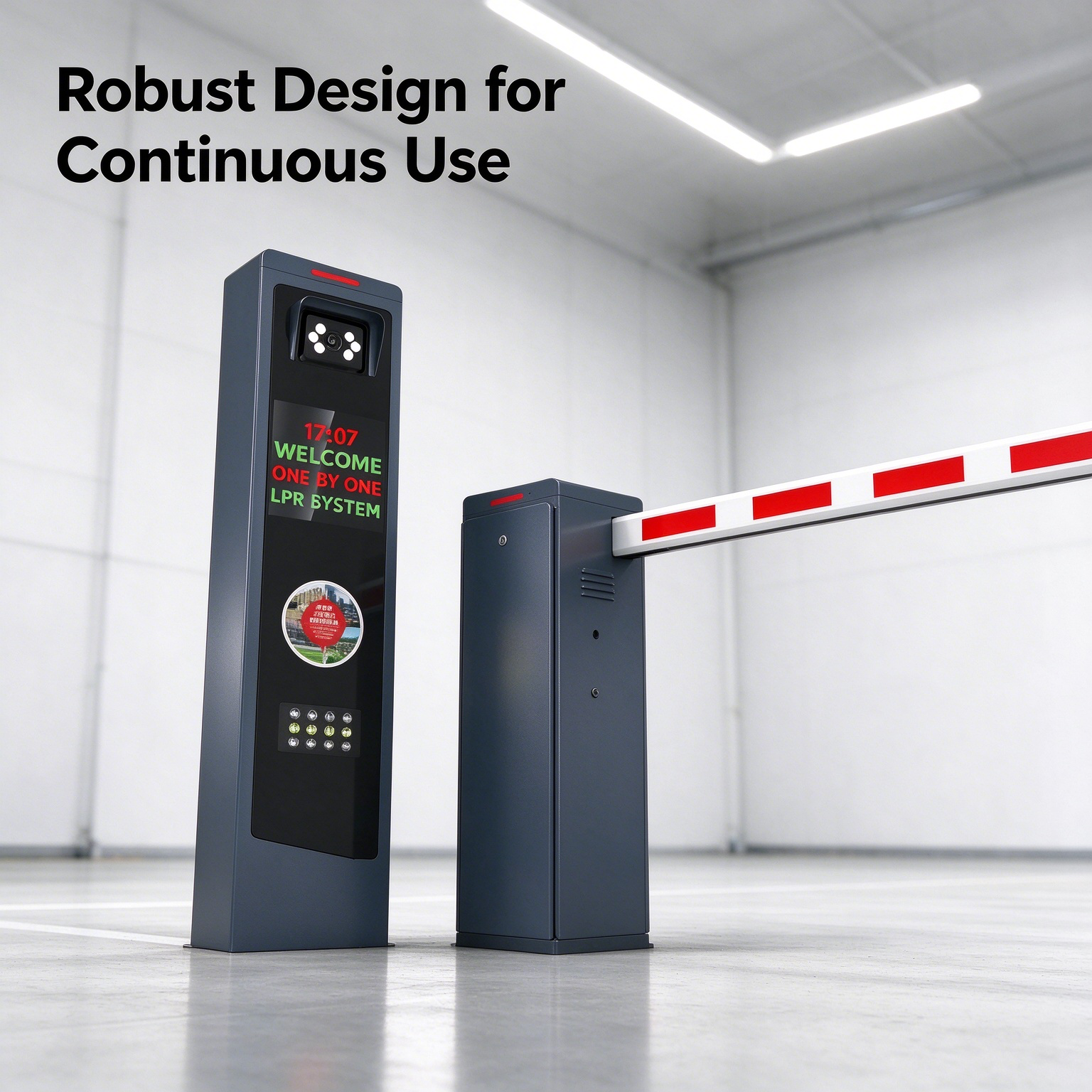
1. Which barrier model is suitable for my site?
Start by explaining where the barrier will be installed and what it needs to control. Is it for a residential car park, an office campus, a retail site, an industrial entrance, a logistics yard or a public parking facility? Ask the supplier to recommend a model based on the site requirements rather than offering a standard unit without checking the application.
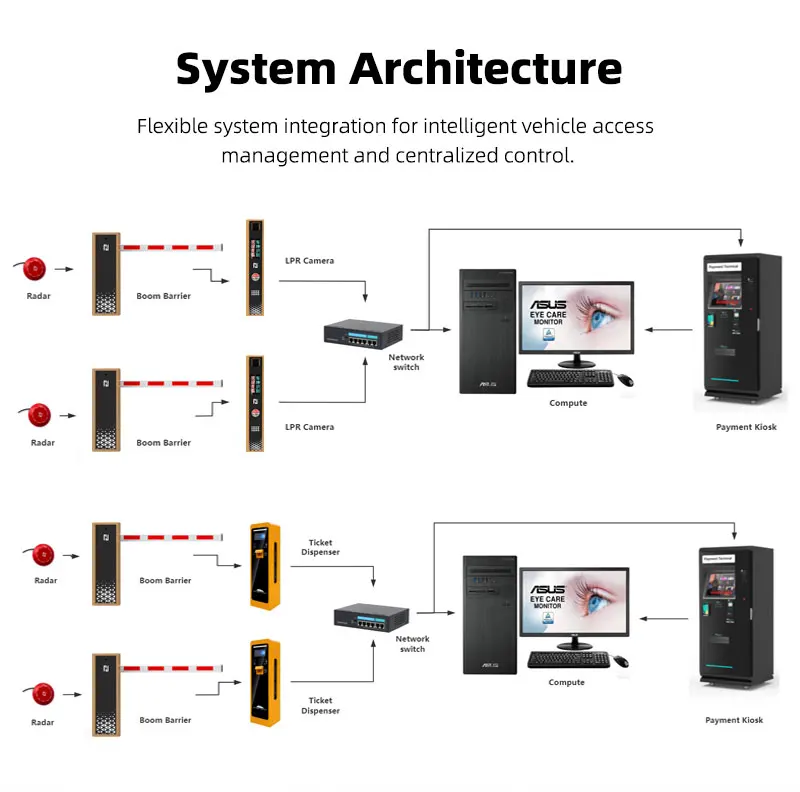
Ask the supplier to confirm the available barrier types, including standard boom barriers, high-speed models and configurations designed for wider lanes or specific access-control requirements. A typical range includes boom barriers and boom gates, high-speed barrier gates, automatic RFID boom barriers, number plate recognition systems and radar sensors. The final combination should be confirmed for the project and the selected controller, not just for the barrier cabinet.
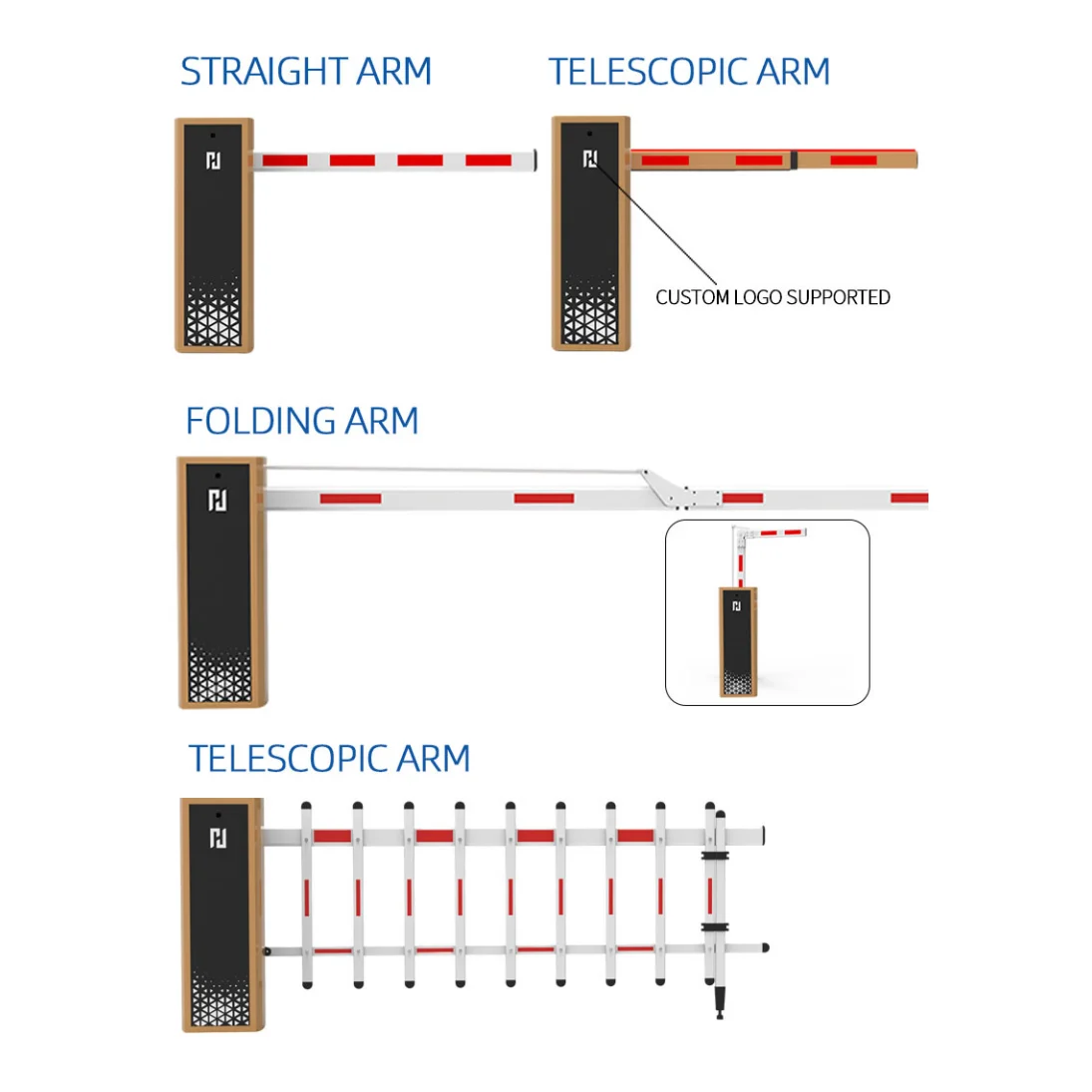
2. What lane width and boom-arm length do you recommend?
Ask what clear lane width the proposed model can cover and whether the arm length is supported by the manufacturer for that configuration. Measure the actual clear opening, including kerbs, islands, posts, walls and the barrier cabinet position. Do not assume that the nominal width of the road is the same as the usable barrier span.
For a wider entrance, ask whether a long-arm, telescopic or other supported configuration is available, and whether it changes the operating speed, balance, wind loading or maintenance requirements. Request a dimensioned drawing showing the cabinet, pivot point, arm movement and foundation position before approving the layout.
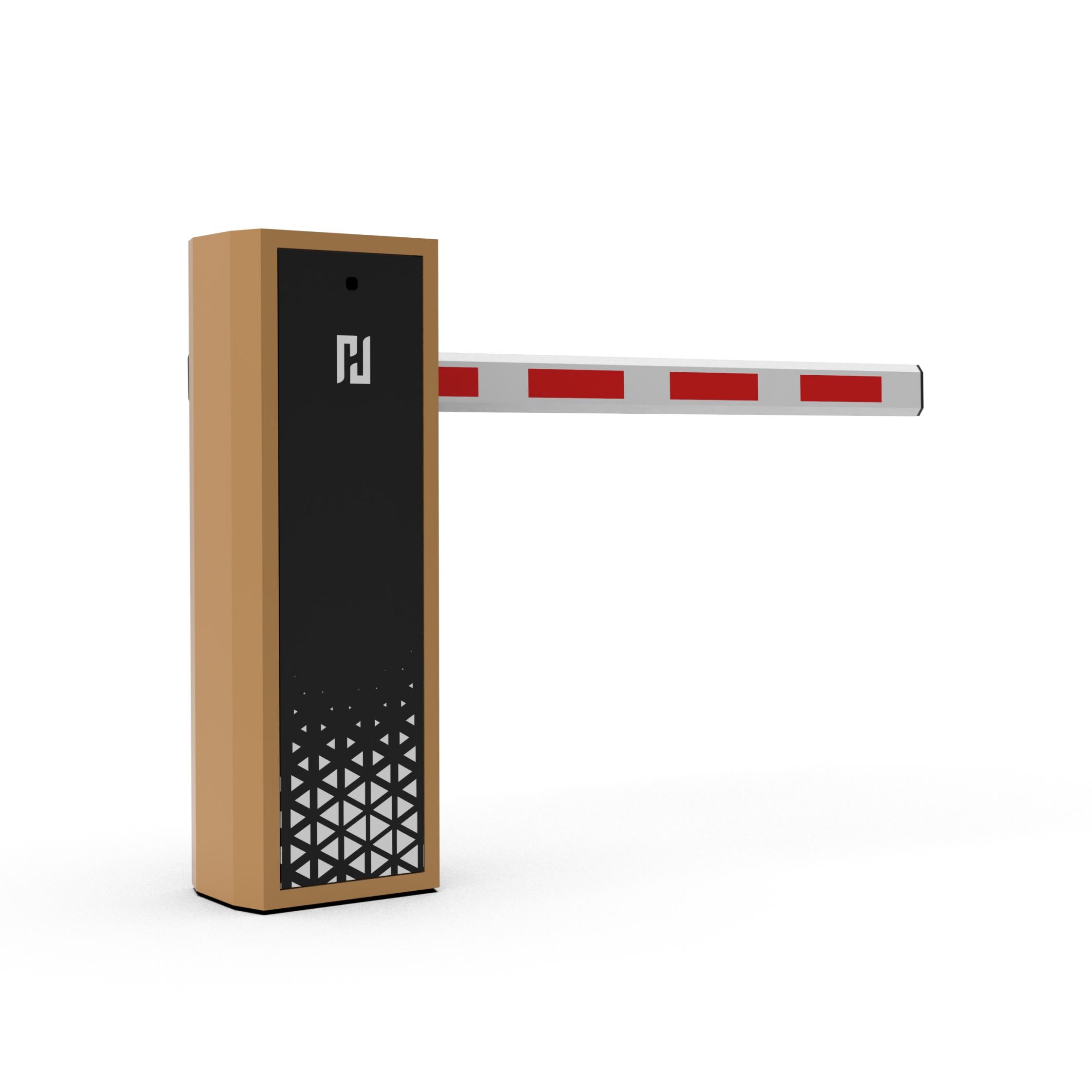
3. How fast does the barrier open and close?
Ask for the opening and closing time of the exact model with the proposed arm length, not just the fastest figure shown in a general brochure. A longer arm or a different safety configuration may affect the achievable cycle time. Check whether the stated figure is a typical operating time, a maximum performance figure or a tested value for the configuration being quoted.
Then ask whether the barrier is rated for the expected traffic volume and duty cycle. A busy logistics entrance or a multi-lane commercial car park may need a different specification from a small residential site. Discuss peak-hour arrivals, queue storage, the time needed to identify vehicles and the consequences if the barrier is temporarily unavailable.
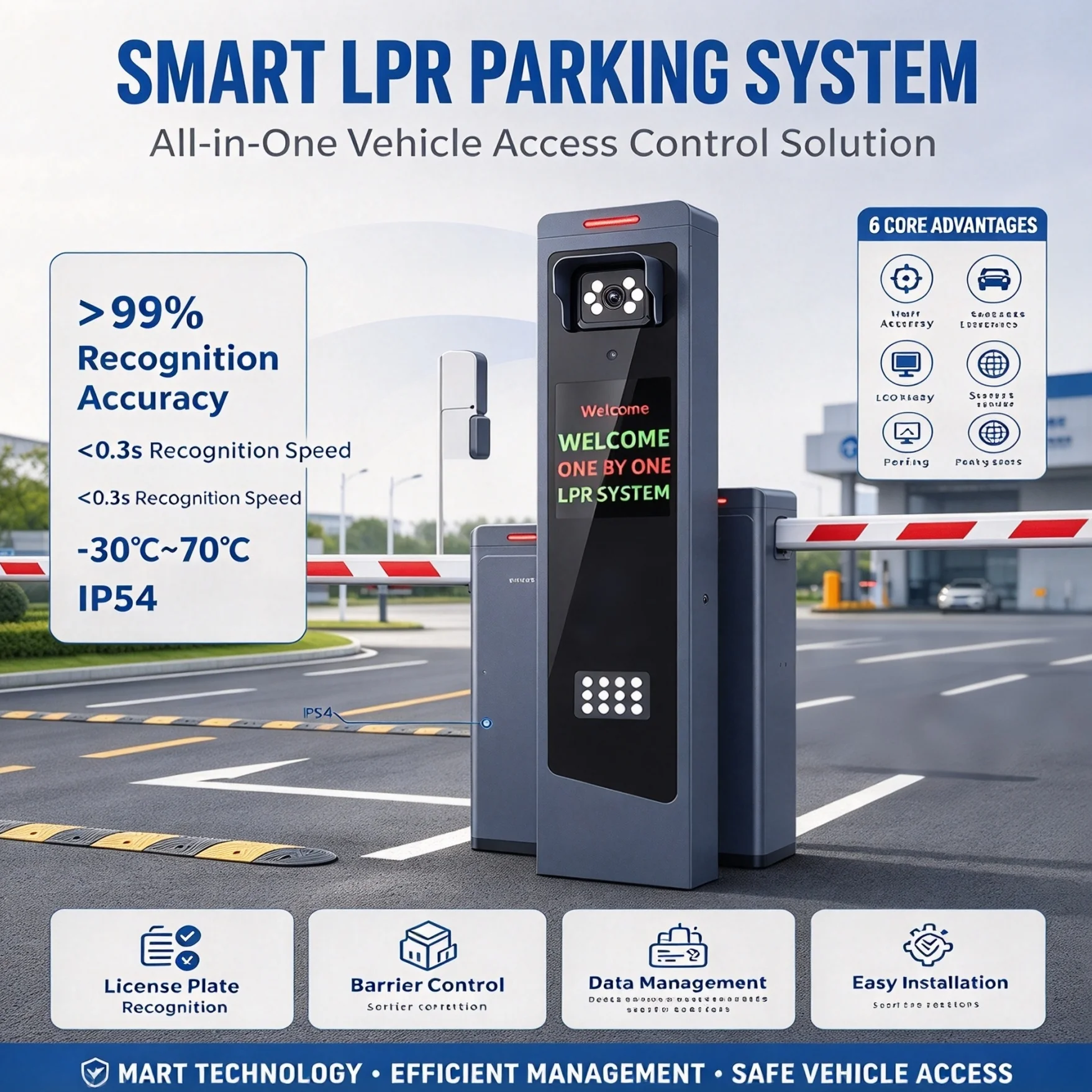
4. What safety devices are included, and what is optional?
Ask the supplier to itemise the safety equipment included in the quotation and to identify every optional accessory. Depending on the site design and the selected model, the arrangement may include vehicle-detection radar, induction loops, photocells or other protective devices. Ask what each device detects, how it interacts with the barrier controller and what happens if detection is interrupted or a component fails.
Do not rely on a general claim such as anti-smash protection without understanding the actual design. Ask the installer to explain the risk assessment, sensor positions, commissioning tests and routine inspection requirements. The final safety arrangement should follow the equipment instructions and the risks at the specific entrance.
5. Can the barrier integrate with our existing access-control system?
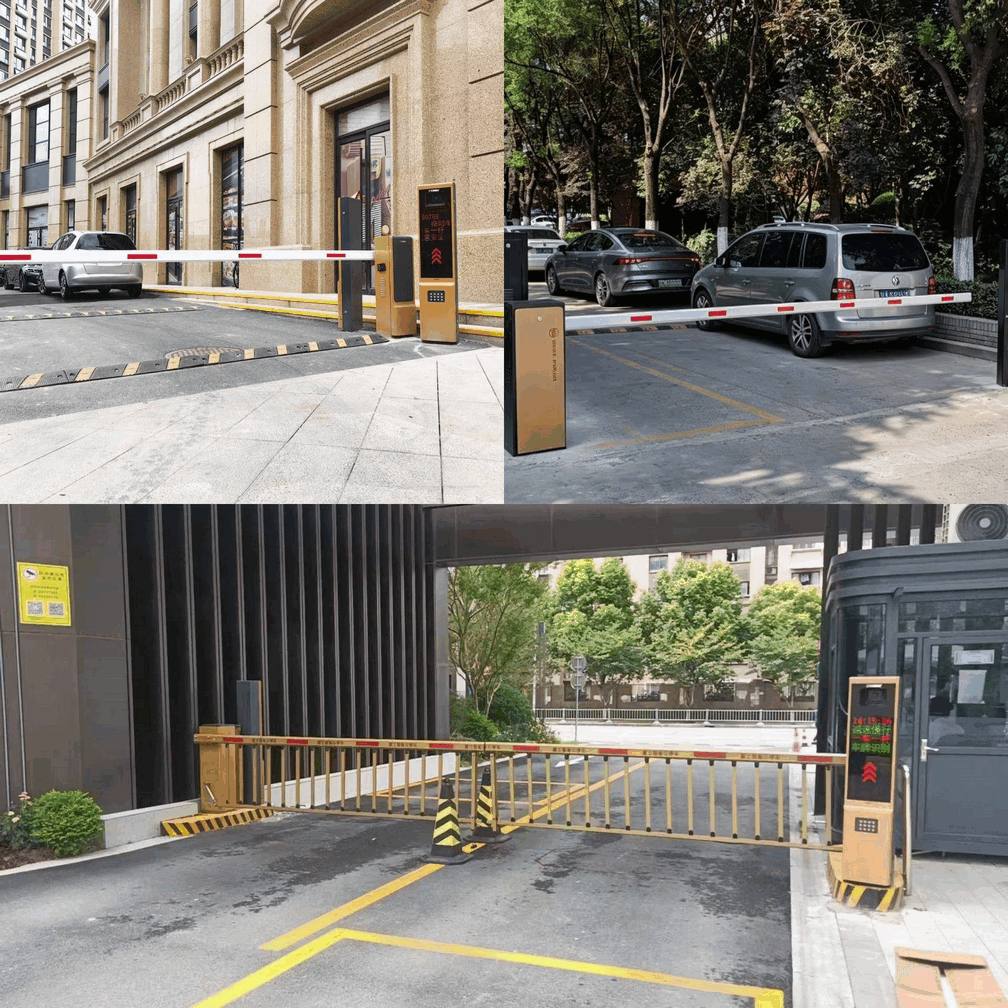
If your site already uses access cards, an intercom, number plate recognition, RFID readers, ticketing equipment or parking management software, provide the supplier with the make and model of each component. Ask for a written compatibility check and a clear explanation of how an access request will open the barrier.
Ask which interfaces and protocols the controller supports, such as relay inputs, Wiegand, RS485, TCP/IP or an API, where applicable. Confirm whether extra interface modules, licences, cabling or software configuration are required. The availability of a connector or protocol does not by itself guarantee full compatibility with every third-party device.
6. What power supply and environmental protection does the model need?
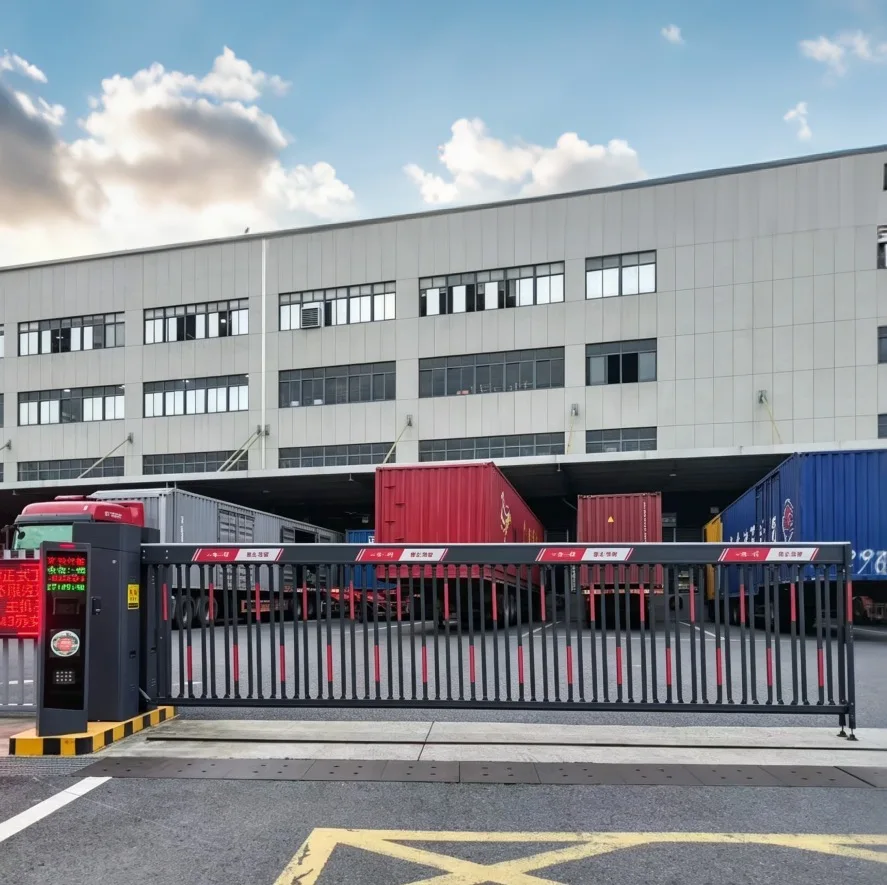
Ask the supplier to confirm the required power supply for the exact model, including voltage, frequency, current demand and any backup-power options. Do not assume that every model has the same supply requirements. Confirm whether a battery backup or alternative power arrangement is supported and what functionality remains available during an outage.
For outdoor installations, ask about the specified ingress-protection rating, corrosion protection, cabinet finish, drainage and operating temperature range. Explain whether the site is inland, coastal or exposed to road spray, standing water or industrial contaminants. Request the relevant datasheet and installation instructions rather than relying on a broad description such as weatherproof.
7. What compliance documents and technical drawings will you provide?
Ask which conformity documents, product labels, test records and manuals will be supplied with the quoted model. If the project specification requires particular UKCA or CE marking, British Standards, EN standards or other documentation, state that requirement before the order is placed and ask the supplier to confirm it in writing for the exact product and intended installation.
Also ask for foundation drawings, wiring diagrams, cable requirements, installation clearances, commissioning checklists and maintenance instructions. These documents help the installer prepare the site correctly and reduce the risk of delays caused by missing dimensions or unclear wiring details.
8. What is included in the quotation?
Request an itemised quotation that separates the barrier cabinet, boom arm, controller, remote controls, safety devices, access-control equipment, mounting hardware, software and any required accessories. Ask whether the price includes packaging, delivery, installation, commissioning, training, taxes and any site attendance. If an item is excluded, make sure the quote identifies who will supply it.
Compare like-for-like specifications rather than headline prices. A lower initial price may exclude important safety equipment, integration work or commissioning support. Ask the supplier to identify the model number, configuration, warranty coverage, delivery terms and quote validity on the same document.
9. What are the lead time, delivery terms and installation responsibilities?
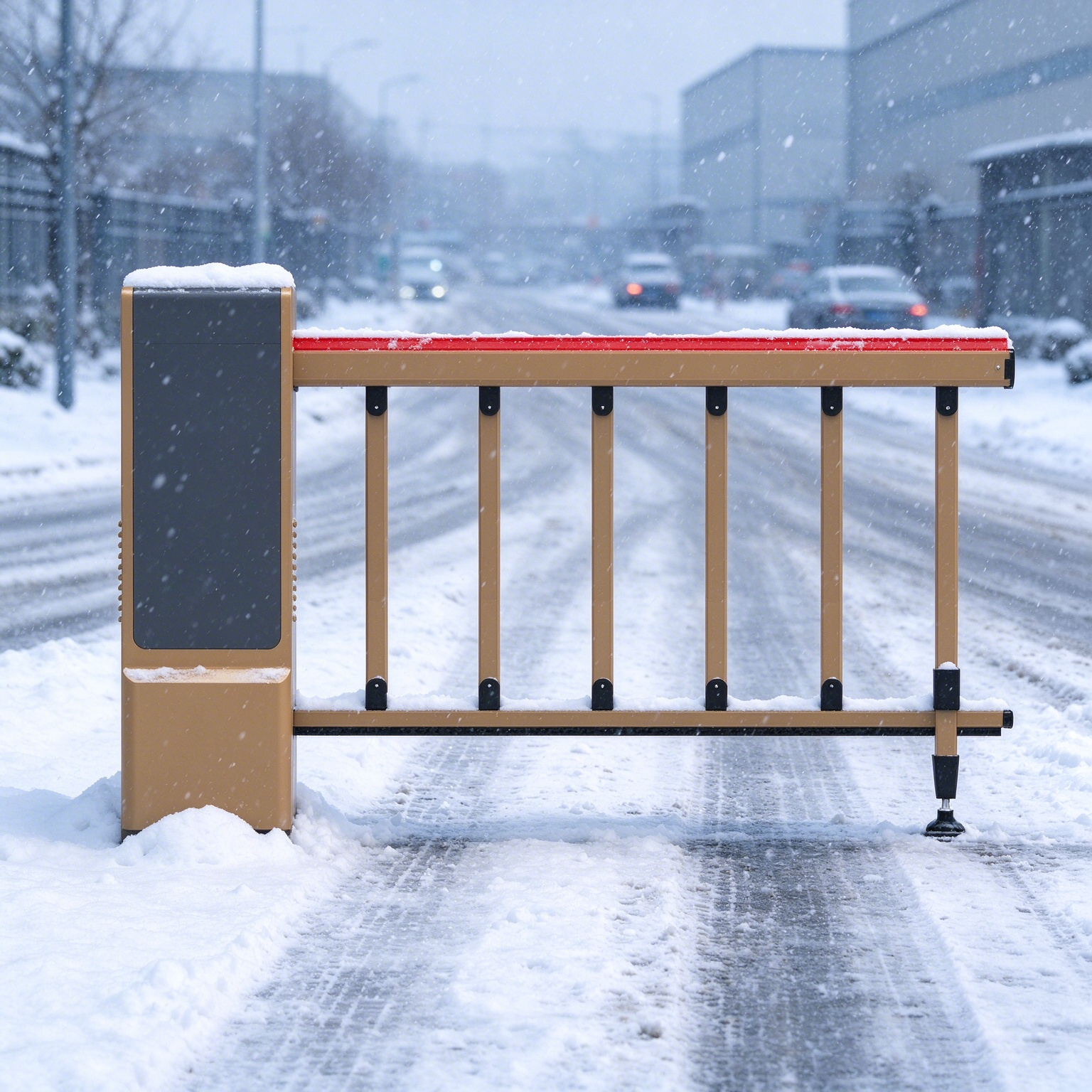
Ask when the order will be ready to dispatch, what may affect the lead time and how delivery will be arranged. Confirm the shipping method, delivery address requirements, packaging, tracking, customs responsibilities and what happens if goods arrive damaged or incomplete. Obtain the expected timeline in writing rather than relying only on a verbal estimate.
Clarify whether the supplier provides remote technical support, on-site installation, commissioning or installer training. If a local contractor will install the equipment, establish who is responsible for the foundation, mains supply, cable routes, access-control integration, safety testing and final handover.
10. What warranty, spare parts and after-sales support are available?
Ask for the warranty period and the exact components covered, including the motor, gearbox, control board, arm and accessories. Check when the warranty begins, what exclusions apply, who pays shipping for replacement parts and whether remote diagnosis or an on-site visit is available. Do not assume that the entire system has the same warranty as the main motor.
Ask which parts are considered wear items, how long replacement parts are expected to remain available and whether the supplier recommends holding a spare-parts kit. For a busy entrance, discuss fault-response arrangements and how the site will manage vehicle access while the barrier is being repaired.
11. Can you provide references or evidence of similar installations?
Ask whether the supplier has supplied comparable systems for sites with similar lane widths, traffic volumes, operating hours and access-control requirements. Relevant examples may include residential developments, office campuses, retail car parks, manufacturing sites or logistics facilities. Ask what the supplier supplied and what work was completed by the installer or integrator.
Where appropriate, request a project reference, installation photographs, a sample test report or a commissioning checklist. Check that the evidence relates to the proposed product family and is relevant to your operating conditions, rather than assuming that every product in a supplier's range has the same capabilities.
12. What should I send you to receive an accurate quotation?
Prepare a short project brief containing the site location, number of lanes, clear lane width, traffic volume, vehicle types, operating hours, available power supply, access-control method, safety requirements and environmental conditions. Include photographs, a site plan or an entrance drawing where possible. The more accurate the site information, the easier it is for the supplier to recommend a suitable configuration.
Ask the supplier to return a written proposal that identifies the model, arm length, motor and controller configuration, safety devices, interfaces, documents supplied, delivery estimate, warranty and any exclusions. Review the proposal against your brief before approving the order.
Quick supplier comparison checklist
Use the following table to compare suppliers on the same basis. A supplier should be able to answer the relevant questions clearly or explain which details still require a site survey.
| Topic | What to request | Why it matters |
|---|---|---|
| Product selection | Exact model and supported configuration | Confirms suitability for the site |
| Dimensions | Arm length, clear span and layout drawing | Avoids installation conflicts |
| Performance | Opening time and duty rating for the quoted setup | Matches traffic demand |
| Safety | Included sensors, operating logic and test plan | Makes safety provisions explicit |
| Integration | Supported interfaces and written compatibility check | Reduces system-integration risk |
| Compliance | Applicable markings, declarations and manuals | Supports project sign-off |
| Commercial terms | Itemised quote and exclusions | Prevents unexpected costs |
| Delivery | Dispatch estimate and delivery responsibilities | Improves project planning |
| Warranty | Coverage, exclusions and spare-parts support | Clarifies long-term ownership |
| Handover | Drawings, commissioning report and training | Supports reliable operation |
Frequently asked questions
How many suppliers should I compare?
Where practical, compare at least two or three written quotations using the same project brief and technical requirements. This makes it easier to spot differences in safety equipment, integration, warranty and excluded costs instead of comparing only the headline price.
Should I choose the cheapest parking barrier?
Not automatically. Consider the total cost of the equipment, installation, integration, maintenance, spare parts and downtime over its expected service life. The lowest initial price may not provide the best value if important accessories or support are excluded.
Do I need number plate recognition or RFID?
It depends on how vehicles should be authorised. Number plate recognition may suit sites that need plate-based access and logging, while RFID can suit registered residents, staff or fleet vehicles using tags or cards. Some sites combine both methods. Confirm the privacy, operational, integration and maintenance implications of the proposed system.
What is the most important question to ask before placing an order?
Ask the supplier to confirm in writing that the proposed model and configuration meet the site requirements, including dimensions, traffic duty, safety devices, integration, documentation, delivery and warranty. Keep the confirmed specification with the purchase order and installation records.
Conclusion
A reliable parking barrier purchase starts with clear site requirements and written answers from the supplier. Confirm the barrier model, arm dimensions, duty rating, safety arrangement, integration interfaces, compliance documents, itemised price, delivery plan and after-sales support before committing to an order. A well-specified system is easier to install, commission and maintain, and it is far less likely to need costly changes once the barrier is on site.
You can review the barrier and access-control hardware in our automatic boom barrier and parking system range, and confirm the final configuration with the supplier before placing the order.