
Quick answer: Parking access control helps commercial property operators manage which vehicles enter and leave a site, when they can use the car park and how access events are recorded. A well-designed system can combine automatic boom barriers, ANPR (Automatic Number Plate Recognition), RFID credentials, intercoms, ticketing or payment equipment, vehicle detectors and parking-management software.
For an office, shopping centre or commercial building, the right solution is not simply a barrier at the entrance. It is a coordinated process that identifies a vehicle or driver, checks the relevant access rules, releases the barrier when authorised, detects safe passage and records the event where required. The best configuration depends on the building's traffic patterns, parking policy, existing security systems and operating budget.
The barrier is only the visible part of that process. Readers, cameras, detection devices, the controller and the management platform decide how the site actually behaves during a morning peak, a late delivery or a failed number-plate read.
Why do commercial buildings need parking access control?
Offices, retail destinations and mixed-use buildings often serve different user groups at the same entrance. Employees may have allocated spaces, visitors may need temporary approval, contractors may require time-limited access, and customers may need a ticket or payment-based parking process. Access control helps apply the correct rules consistently rather than relying entirely on manual checks.
A suitable system can help reduce unauthorised entry, improve visibility of vehicle movements, support permit management and make peak-time traffic easier to organise. It does not remove the need for clear signs, safe lane design, appropriate staffing and a tested process for emergencies or equipment failure.
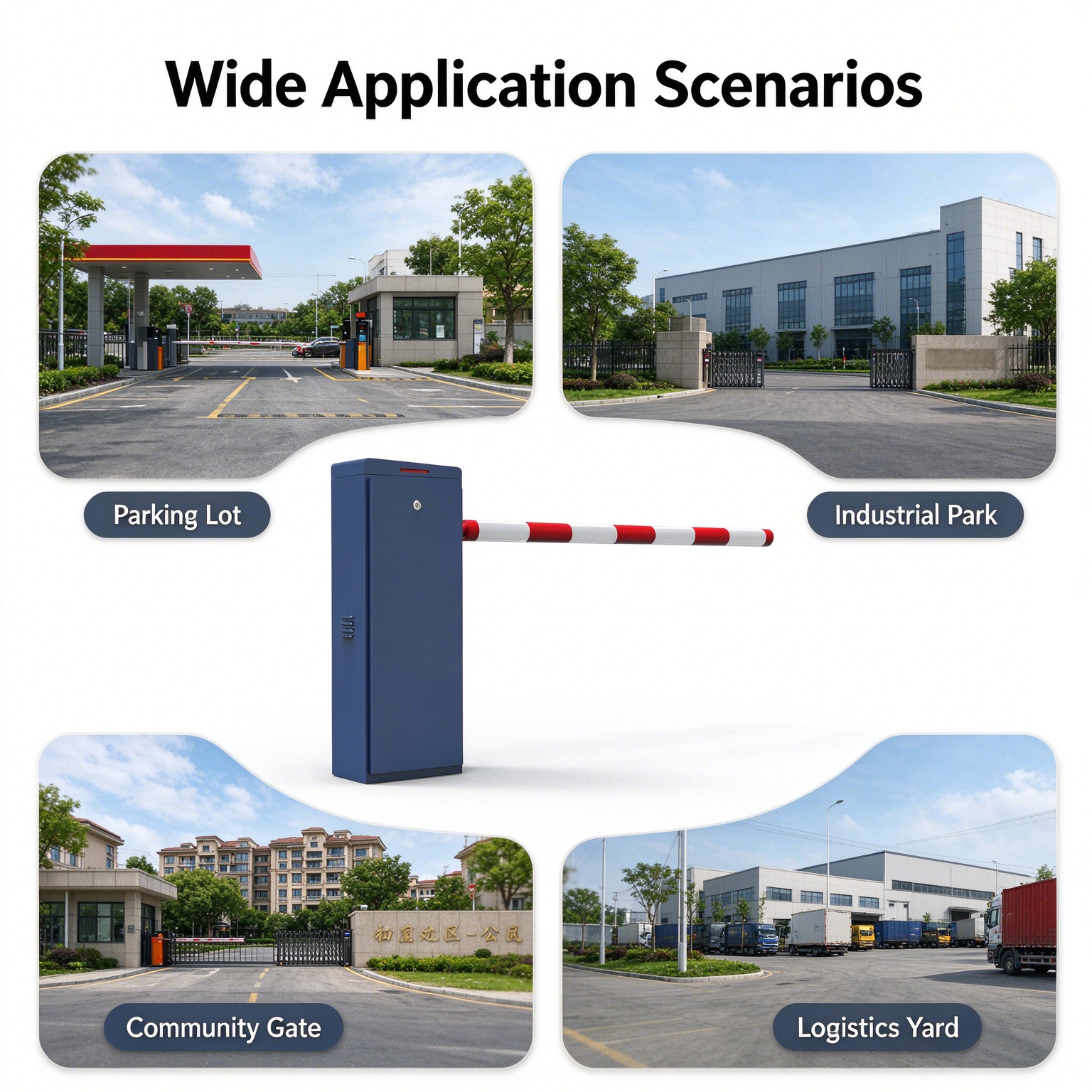
1. Office buildings and business parks
Office car parks typically need to distinguish between staff, tenants, visitors, service vehicles and contractors. RFID cards or vehicle tags can provide repeat access for authorised users, while ANPR can check registered number plates against an approved list. An intercom or reception release process can support visitors who are not already registered.
For a multi-tenant office building, agree who owns the access database, who can add or remove permits, how visitor approvals are recorded and what happens when a tenant's authorisation changes. These operational rules are just as important as the physical barrier hardware.
2. Shopping centres and retail parks
Shopping centres may experience concentrated arrival and departure periods, seasonal peaks and a mixture of short-stay customers, staff, delivery vehicles and service contractors. Depending on the parking model, the system may combine boom barriers with ticketing, cashless payment, ANPR or a ticketless workflow.
The design should consider the entire customer journey: entry queues, clear instructions, payment validation, exit processing and what happens if a number plate is not recognised or a payment is incomplete. A fast barrier alone cannot compensate for a slow payment terminal, poor camera positioning or an inadequate exit layout.
3. Commercial offices, hotels and mixed-use developments
Mixed-use buildings may have separate rules for office tenants, hotel guests, retail visitors, residents and loading bays. Access groups, time schedules and lane-specific permissions can help keep these movements organised, provided the selected controller and software support the required logic.
Where a site has separate entrance and exit lanes, specify whether each lane needs its own barrier, reader, camera, detector and control point. Shared systems can sometimes reduce duplicated equipment, but the design must preserve safe operation and avoid creating a single point of failure without an agreed fallback.
Key components of a commercial parking access control system
A commercial parking system is usually a combination of physical equipment, identification devices, control logic and management software. The following components should be selected as a compatible system rather than as unrelated products.
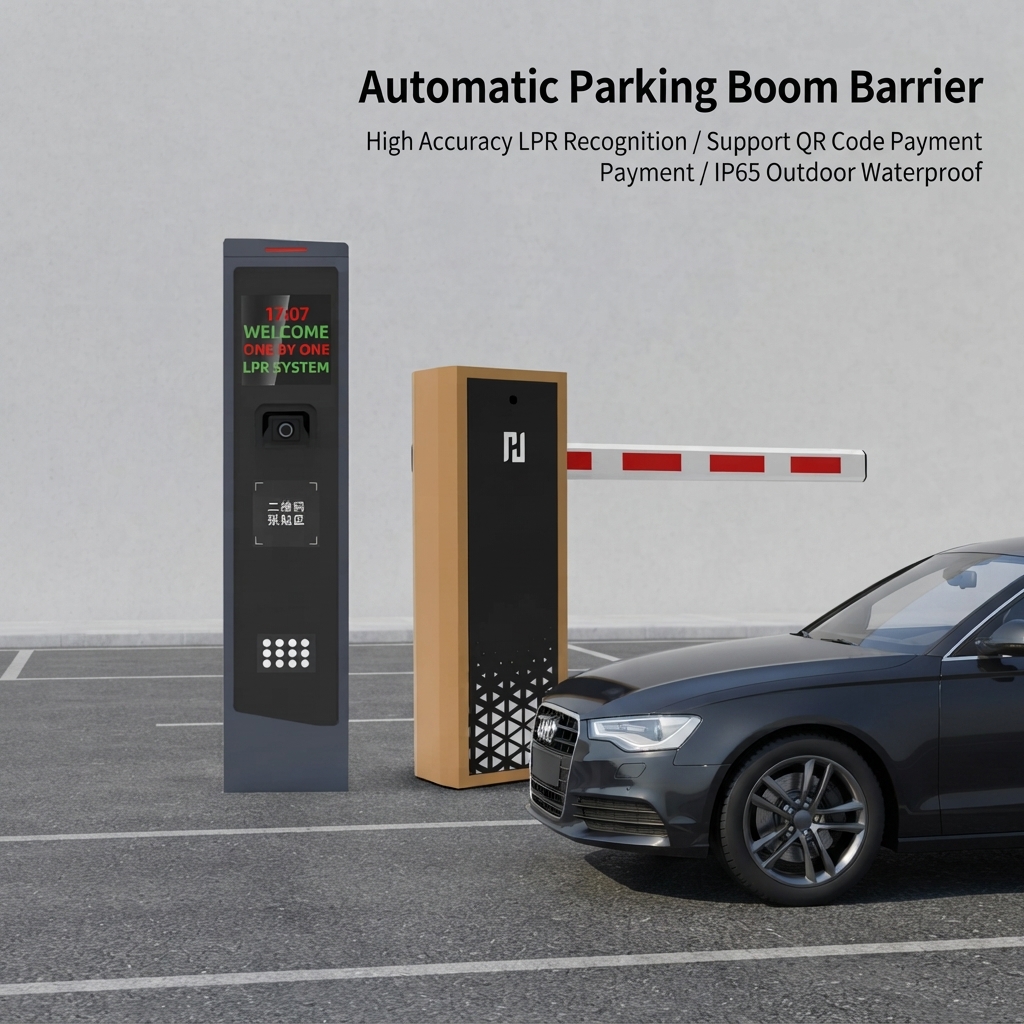
Automatic boom barrier
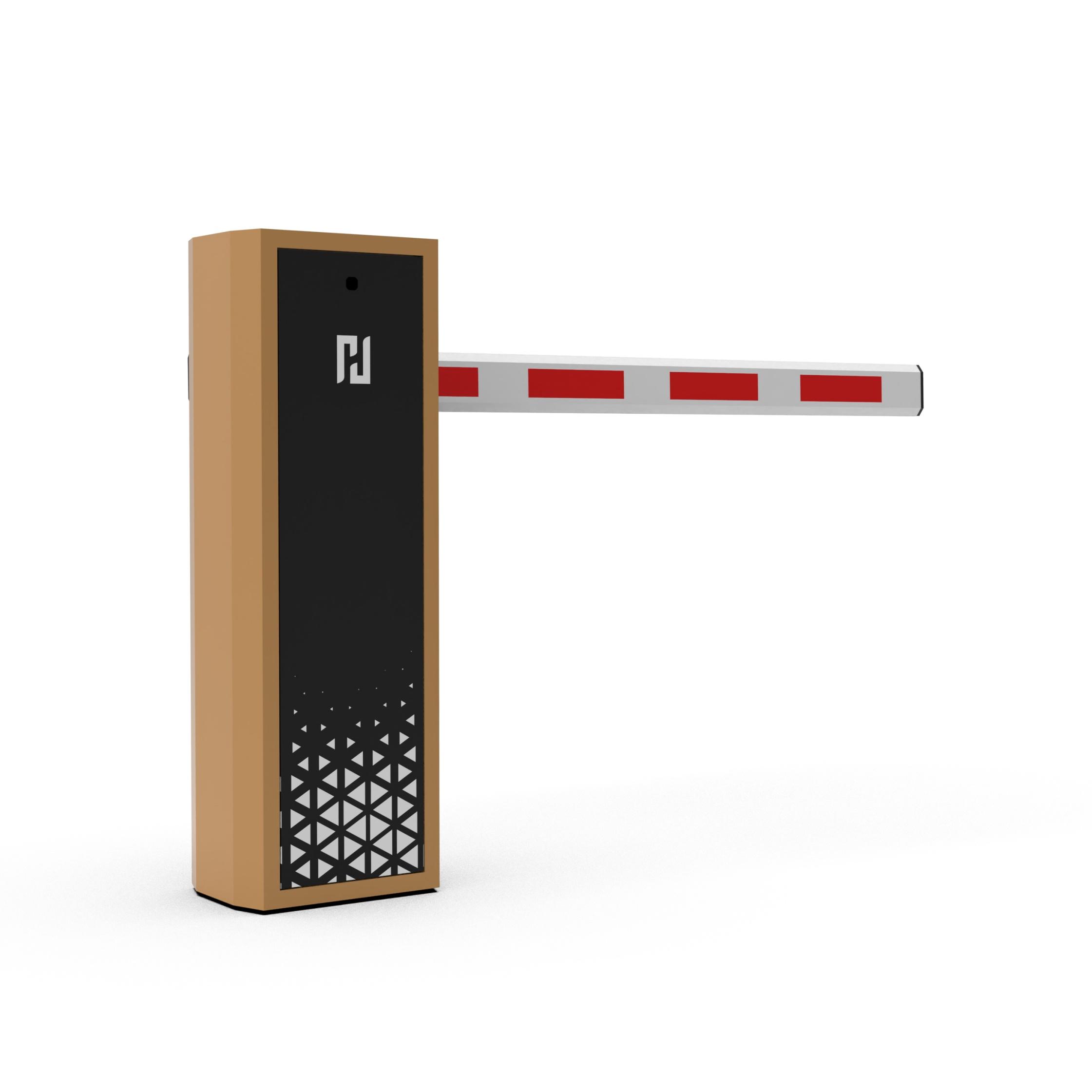
A boom barrier physically controls a vehicle lane by raising and lowering an arm. The specification should reflect the clear lane width, required arm configuration, traffic volume, operating frequency, mounting conditions and site environment. Straight arms are common for standard lanes; folding or specialist arrangements may be relevant where overhead clearance or site geometry imposes restrictions.
Ask the supplier to confirm the permitted arm length, opening and closing performance, duty rating, power requirements, control inputs, manual-release procedure and available safety accessories for the exact model. Do not select equipment using a headline speed or maximum arm length without checking the complete configuration.
ANPR/LPR number-plate recognition
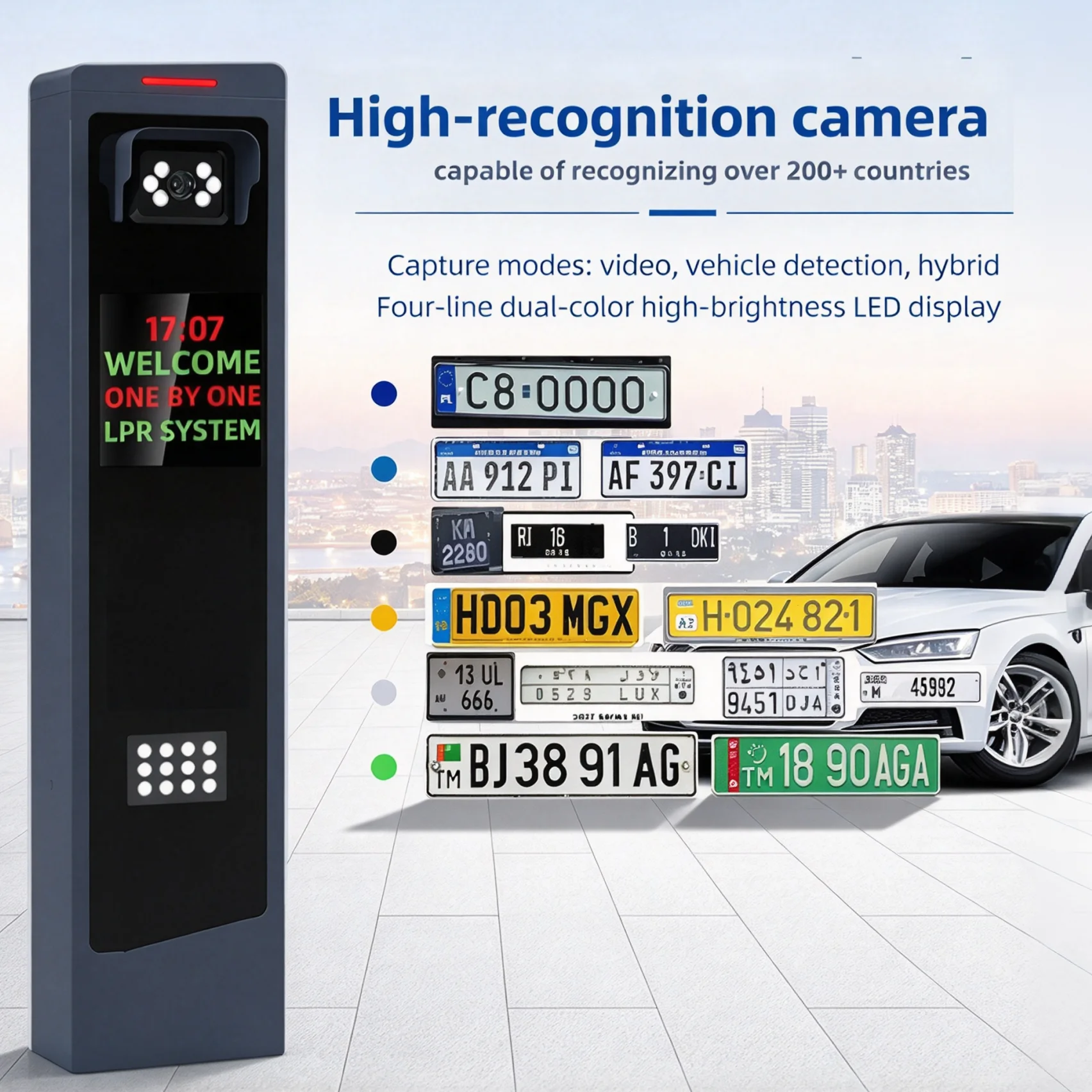
ANPR, also known as LPR (Licence Plate Recognition), uses a camera and software to read a vehicle registration mark. The access system can compare the result with configured permissions, such as an approved list, time-based permit or parking-management record, and request barrier release when the rules allow it.
Recognition results can be affected by camera angle, lighting, plate condition, vehicle speed, weather and lane layout. The supplier should assess the actual site and explain how the system handles unreadable plates, duplicate registrations, temporary visitors and network interruptions. For deployments in Europe, also establish an appropriate privacy notice, access policy and data-retention approach for number-plate records.
RFID cards, fobs and vehicle tags
RFID is useful when staff, tenants or frequent users need repeat access. A reader recognises a compatible card, fob or vehicle tag and passes the result to the access controller. The system can then apply the relevant permission rules before releasing the barrier.
Confirm the credential technology, reading range, reader location, tag management process and interface compatibility before purchase. Long-range vehicle identification and short-range card access are different use cases; the correct range depends on the reader, tag, installation and site conditions.
Radar, loops and safety devices
Radar sensors, inductive loops, photocells and other compatible detectors may be used to detect vehicles or obstructions and influence the barrier's operating sequence. Their function and coverage vary by product and installation. The system designer should specify the required detection zones and how the controller responds to each relevant input.
Do not assume that a single sensor protects every part of a lane. The installer should position and configure the protective devices according to the risk assessment, then test the complete system during commissioning. Operators should know the limits of the protection and the procedure to follow if a detector fails.
Access controller and parking-management software
The controller receives signals from readers, cameras, intercoms and detectors, applies configured logic and commands the barrier. Parking-management software may manage permits, visitor approvals, payments, occupancy, access logs or reporting, depending on the platform and integration.
Before specifying software integration, document the required interfaces and data flow. Confirm whether the system uses relay outputs, Wiegand, RS485, TCP/IP, an API or another supported protocol, and verify compatibility with the existing building security or property-management platform.
How does parking access control work? A typical sequence
The exact sequence depends on the chosen equipment and operating policy, but a typical commercial installation follows these steps.
- Vehicle approaches the lane. Signs and road markings direct the driver to the correct entry or exit point.
- The system identifies the vehicle or driver. A camera reads the number plate, an RFID reader recognises a credential, or a driver requests access through an intercom or ticketing terminal.
- The controller checks authorisation. The system checks the result against the relevant permit, visitor, payment or access rules.
- The barrier opens when permitted. The controller sends a command to the barrier drive if the request is valid and operating conditions allow movement.
- Vehicle detection supports safe passage. Configured detectors monitor the relevant zone and influence when the arm may close.
- The system closes and records the event. Once the vehicle has passed and closing conditions are satisfied, the arm returns to its closed position. The system may record the event for reporting or audit, where configured.
A reliable process also defines what happens when a plate cannot be read, an RFID credential is rejected, a payment is incomplete, the network is unavailable or a barrier is out of service. Agree manual intervention and emergency access procedures before the system goes live.
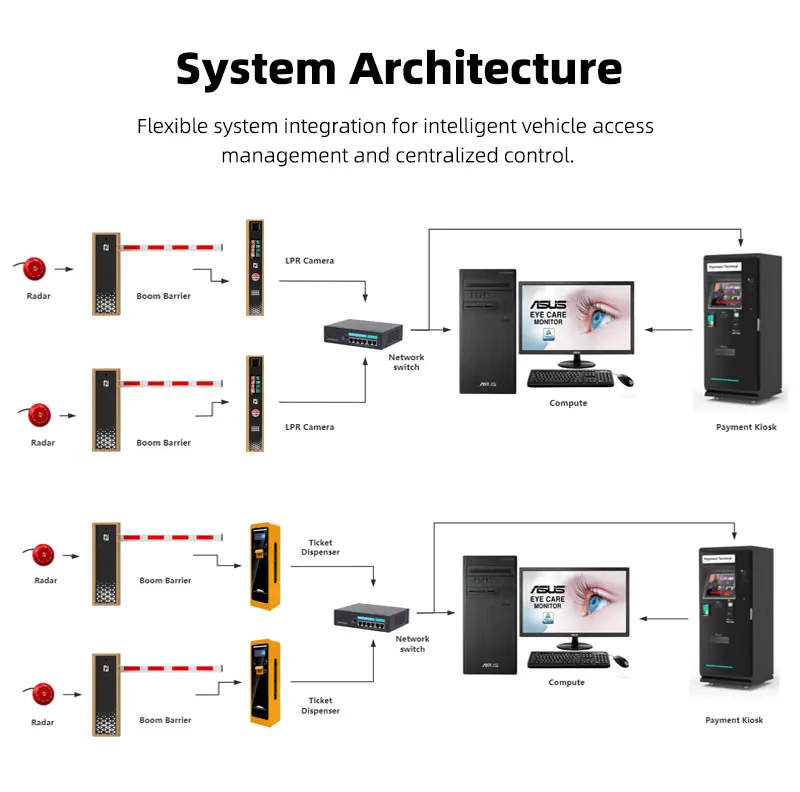
Choosing the right system for an office, mall or commercial building
Start with the operating requirement, not with a product name. A small office with regular staff may prioritise convenient repeat access; a shopping centre may need to manage customer parking and payments; a multi-tenant building may need separate permissions and detailed access records. The system should be sized and configured for the real traffic pattern and the consequences of a fault.
| Requirement | Possible approach | Key questions |
|---|---|---|
| Regular staff or tenant access | RFID cards, fobs or vehicle tags with a boom barrier | How are credentials issued, disabled and audited? |
| Registered vehicles and ticketless access | ANPR/LPR with compatible access software | What is the process for unreadable plates and visitors? |
| Customer parking with payment | Barrier with the specified ticketing or payment workflow | How are entry, payment validation and exit linked? |
| Mixed users and multiple tenants | Access groups, time schedules and visitor approval | Who manages permissions and resolves disputes? |
| Busy entrance or multiple lanes | Appropriately rated barriers, detection and lane planning | What is the peak-hour demand and fallback arrangement? |
Installation planning and integration checklist
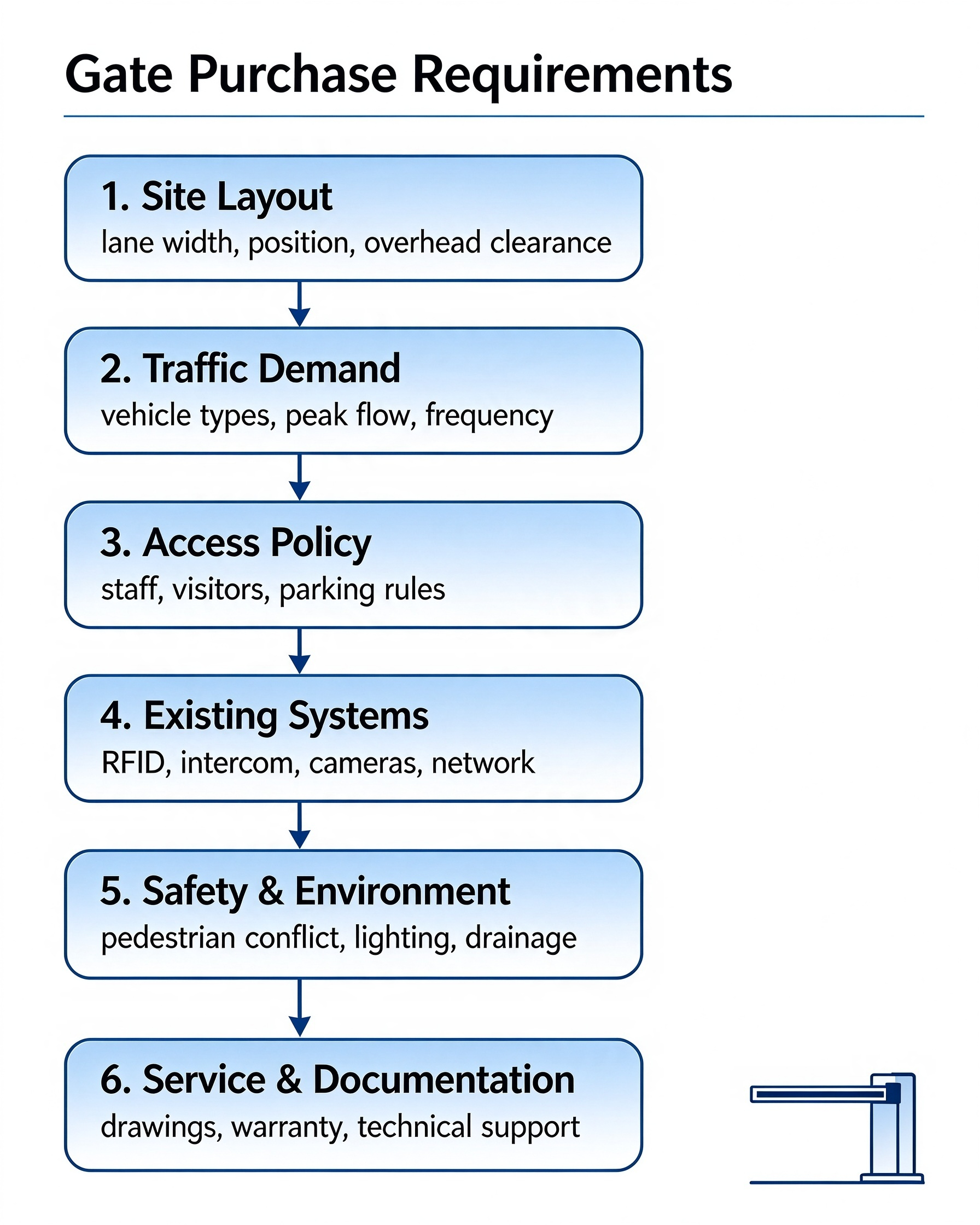
Before requesting a quotation, gather the following information so the supplier can recommend a realistic configuration.
- Site layout: clear lane width, kerb position, mounting surface, available cabinet space, vehicle approach angle and overhead clearance.
- Traffic demand: normal and peak-hour movements, vehicle types, expected opening frequency and whether queues can extend onto a public road.
- Access policy: staff permits, visitor approvals, contractor schedules, customer parking rules and emergency access.
- Existing systems: building access control, ANPR cameras, RFID readers, intercoms, payment platforms, network equipment and management software.
- Safety and environment: vehicle and pedestrian conflict points, visibility, lighting, weather exposure, drainage and the required detection zones.
- Service and documentation: installation drawings, wiring diagrams, operating instructions, maintenance schedule, warranty terms, spare parts and technical support arrangements.
Ask the supplier to itemise the barrier, arm, controller, readers, cameras, detectors, software, cabling, installation and commissioning. This makes it easier to compare quotations on a like-for-like basis and identify exclusions before the order is placed.
Safety, privacy and ongoing maintenance
Parking access control involves powered moving equipment and, in many cases, personal or vehicle-related data. The physical installation should be assessed for foreseeable risks, with protective devices selected, positioned and tested for the actual site. Signs, road markings, pedestrian routes and emergency procedures should be part of the design rather than afterthoughts.
Site operators should establish a lawful and transparent approach to ANPR and access logs, including who can view records, how long they are retained and how requests are handled. Seek appropriate privacy and legal advice for the specific deployment; do not assume that installing a camera alone establishes a compliant data process.
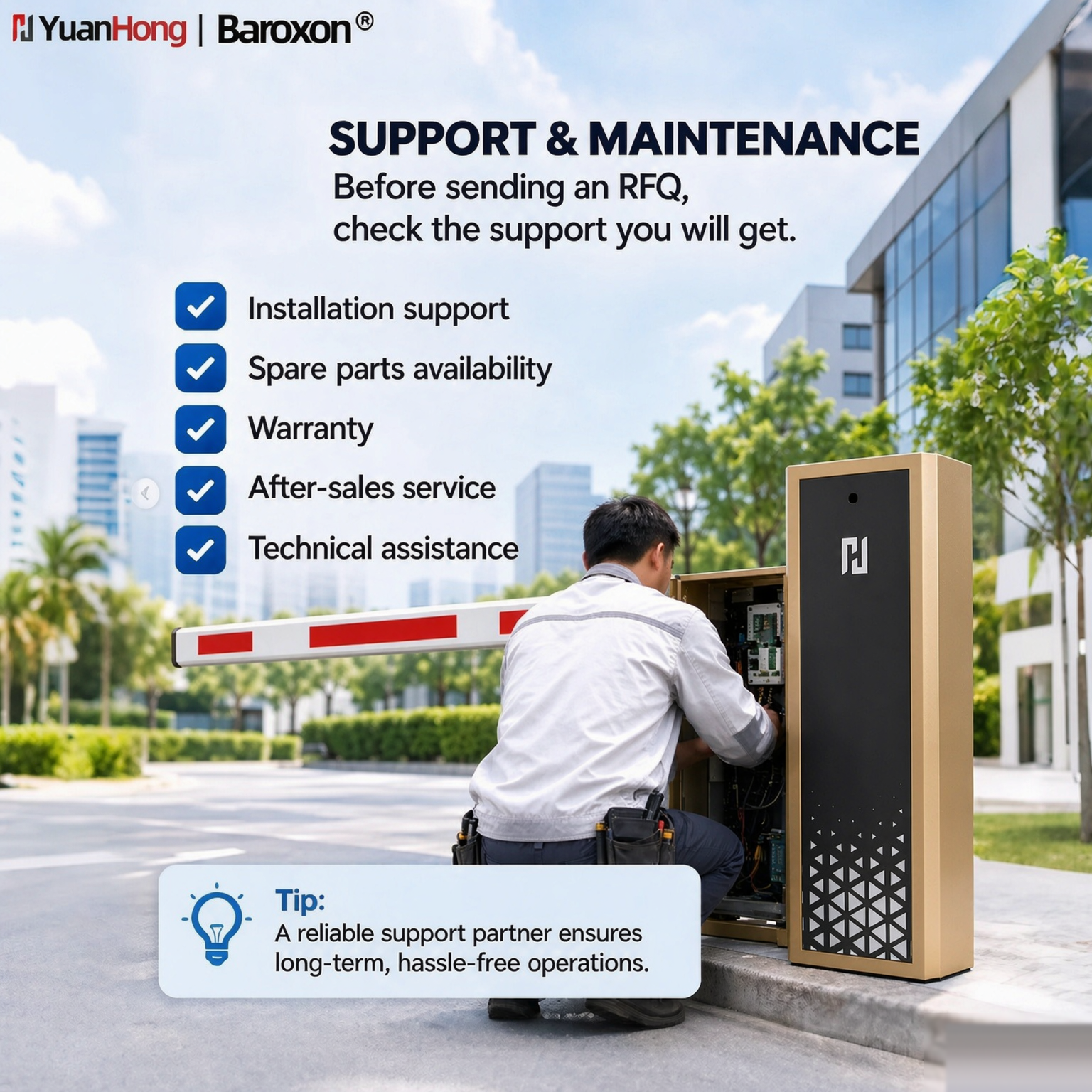
During commissioning, test the complete access sequence: identification, authorisation, opening, vehicle detection, closing, logging and the agreed response to faults. Follow the manufacturer's maintenance instructions and arrange qualified inspection if the arm moves irregularly, a detector becomes unreliable or equipment is damaged.
Frequently asked questions
What is parking access control?
Parking access control is the combination of equipment, software and operating rules used to manage vehicle entry and exit. It may include a boom barrier, ANPR, RFID, intercoms, payment equipment, vehicle detectors and access-management software.
What is the best parking access control system for an office building?
The best system depends on the number of users, lane layout, visitor process, existing building systems and the level of reporting required. RFID can suit regular authorised users, while ANPR can support number-plate-based permissions. Some sites benefit from using both.
Can ANPR work with an automatic boom barrier?
Yes, where the ANPR system, controller and barrier are compatible and correctly configured. The system should define how it handles unreadable plates, unauthorised vehicles, visitors and network or power interruptions.
Is RFID better than ANPR for commercial parking?
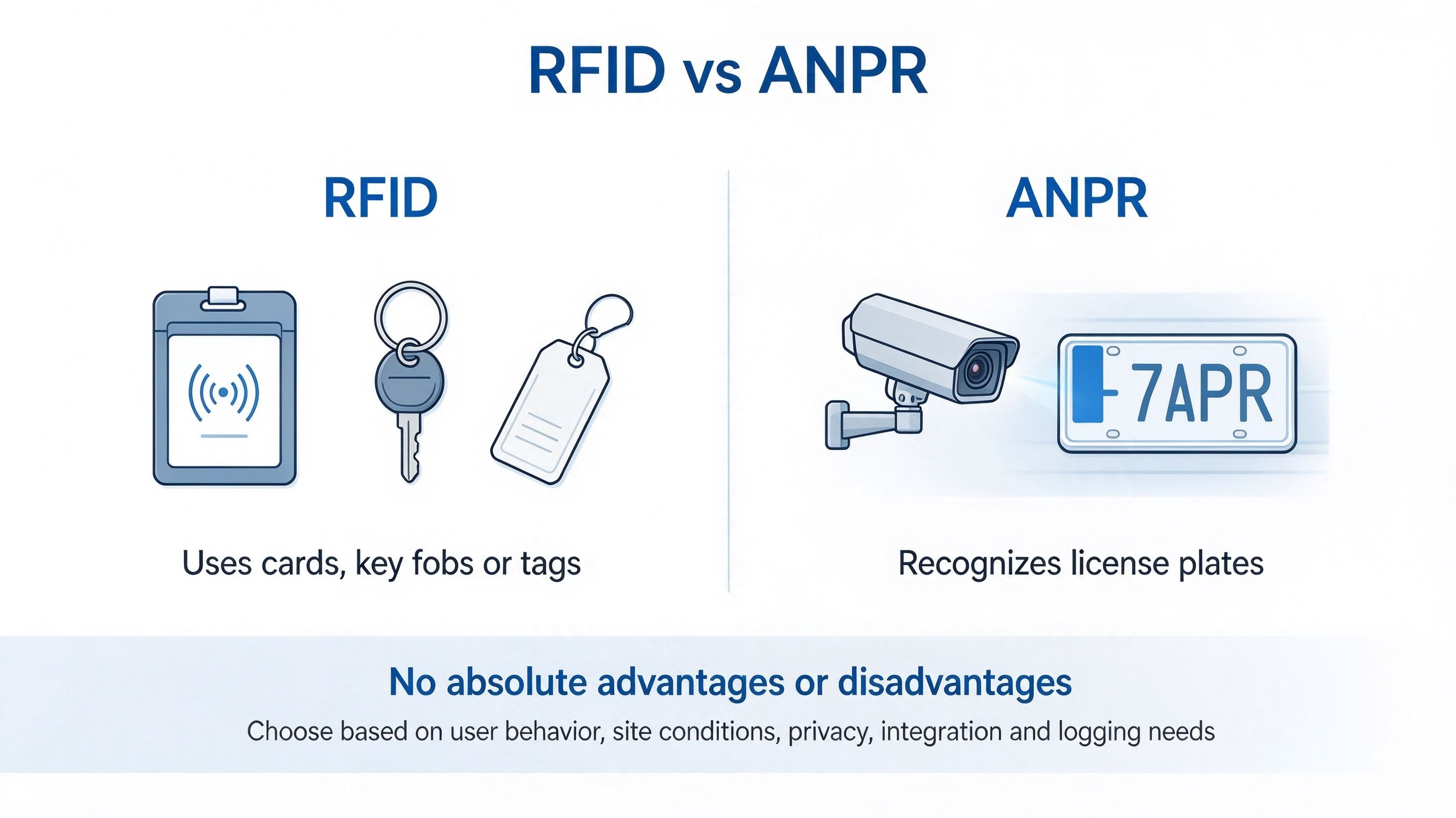
Neither is universally better. RFID uses an assigned card, fob or tag, while ANPR identifies a vehicle by its number plate. The choice depends on user behaviour, site conditions, privacy considerations, integration requirements and the cost of managing credentials or plate records.
What should be included in a parking access control quotation?
Ask for an itemised list of hardware, arm configuration, readers or cameras, safety devices, software and licences, installation, commissioning, training, documentation, warranty, maintenance and spare parts. Confirm what is excluded and who is responsible for connecting the system to existing equipment.
How can a commercial car park reduce queues?
Review the entire process rather than just the barrier speed. Camera positioning, reader range, payment validation, lane geometry, signs, peak-time demand and exception handling can all affect queue length. Select a barrier rated for the expected duty cycle and test the complete process under realistic conditions.
Conclusion
Effective parking access control for offices, shopping centres and commercial buildings combines suitable barrier hardware with reliable identification, clear access rules, safe vehicle detection and manageable software integration. RFID, ANPR/LPR, intercoms and parking-management tools can address different user groups and operating models when the components are compatible and correctly configured.
For a project-specific specification, define the site layout, peak traffic, access policy, existing interfaces and safety requirements first, then confirm the final model and technical documentation with the supplier. You can review the hardware options in our boom barrier and vehicle access control range before requesting a quotation.