
Quick answer: Parking barrier safety sensors detect vehicles or obstructions around an automatic boom barrier and send signals that keep opening and closing movements safer. The right combination of radar, induction loops, photocells or safety edges depends on the lane layout, the vehicles using it and the risks identified for that entrance — a sensor on its own does not make a barrier safe.
Why safety sensors matter for facility managers
Parking barrier safety sensors help detect vehicles or obstructions around an automatic boom barrier and provide signals that support safer opening and closing. For car parks, residential developments, offices, hospitals and industrial sites, the right detection arrangement can reduce the risk of a boom striking a vehicle, improve lane flow and make day-to-day operation more predictable.
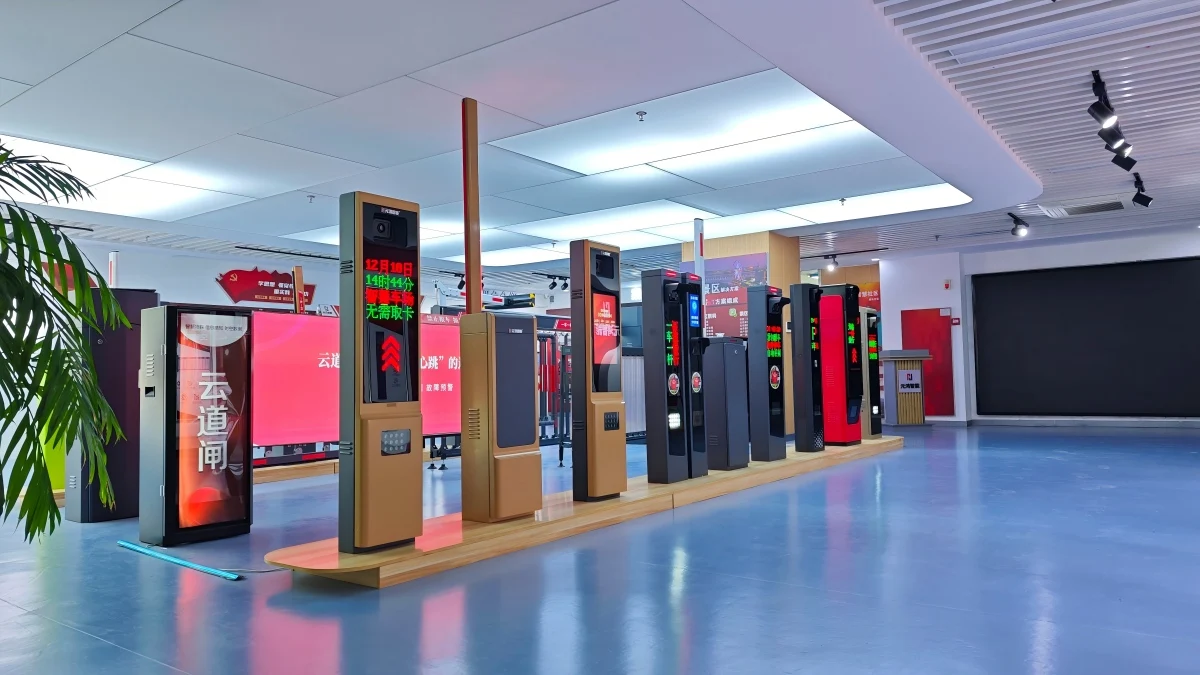
A sensor is only one part of a safe installation. Performance also depends on the barrier controller, the sensor's position and settings, the type of vehicles using the lane, site layout, maintenance and commissioning. Facility managers should assess the complete system rather than assuming that adding one detector makes every operating condition safe.
What are parking barrier safety sensors?
Parking barrier safety sensors are devices that detect a vehicle, an obstruction or movement within a defined area near a boom barrier. Depending on the design, the signal may prevent the boom from closing, trigger a stop or reverse command, keep the barrier open while a vehicle is passing, or help the access controller manage the sequence.
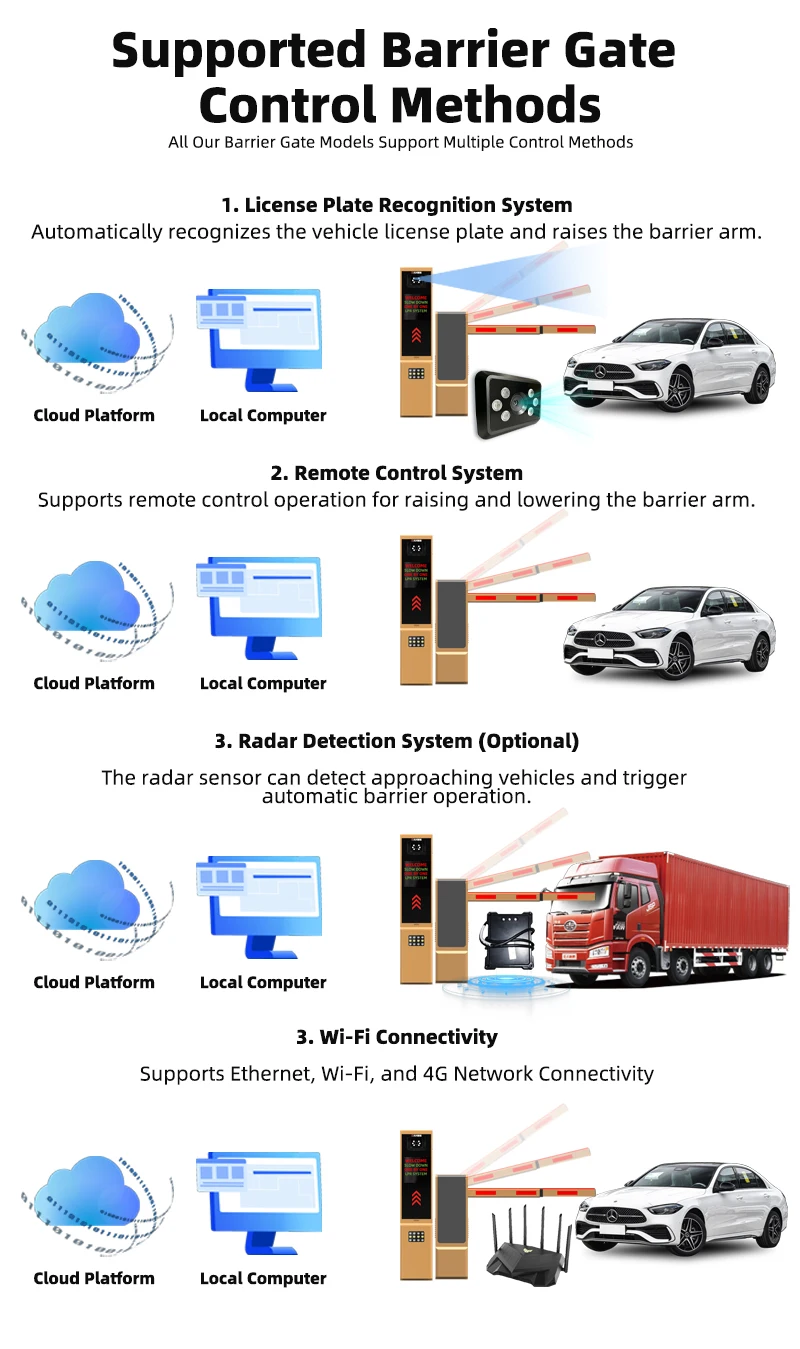
The term "safety sensor" can refer to several different technologies. A radar detector may monitor a broader detection field, an inductive loop detects metal vehicles over a loop installed in the road, and a photocell uses a beam across a defined point. These devices do not all detect the same things, cover the same area or provide the same safety function.
The main types of parking barrier sensors
1. Radar vehicle detection sensors
Radar sensors use radio waves to detect objects or movement within a configured field. Vehicle detection radar is widely used in boom barrier and parking access applications. Depending on the model and configuration, radar may help detect vehicles approaching or occupying the barrier lane and support anti-collision control.
Radar can be useful where a facility wants to avoid cutting a loop into the road surface, or where vehicles may stop, reverse or approach at slightly different angles. However, the detection zone must be set and tested for the actual lane. Nearby traffic, metal structures, mounting height and sensor orientation can affect performance, so commissioning should include representative vehicles and manoeuvres.
2. Inductive loop detectors
An inductive loop is installed in or beneath the road surface and detects changes in its electromagnetic field when a suitable vehicle passes over it. Loops are widely used for vehicle presence detection and can be part of a barrier control arrangement. Their performance depends on correct loop geometry, installation quality, detector settings and the condition of the road surface.
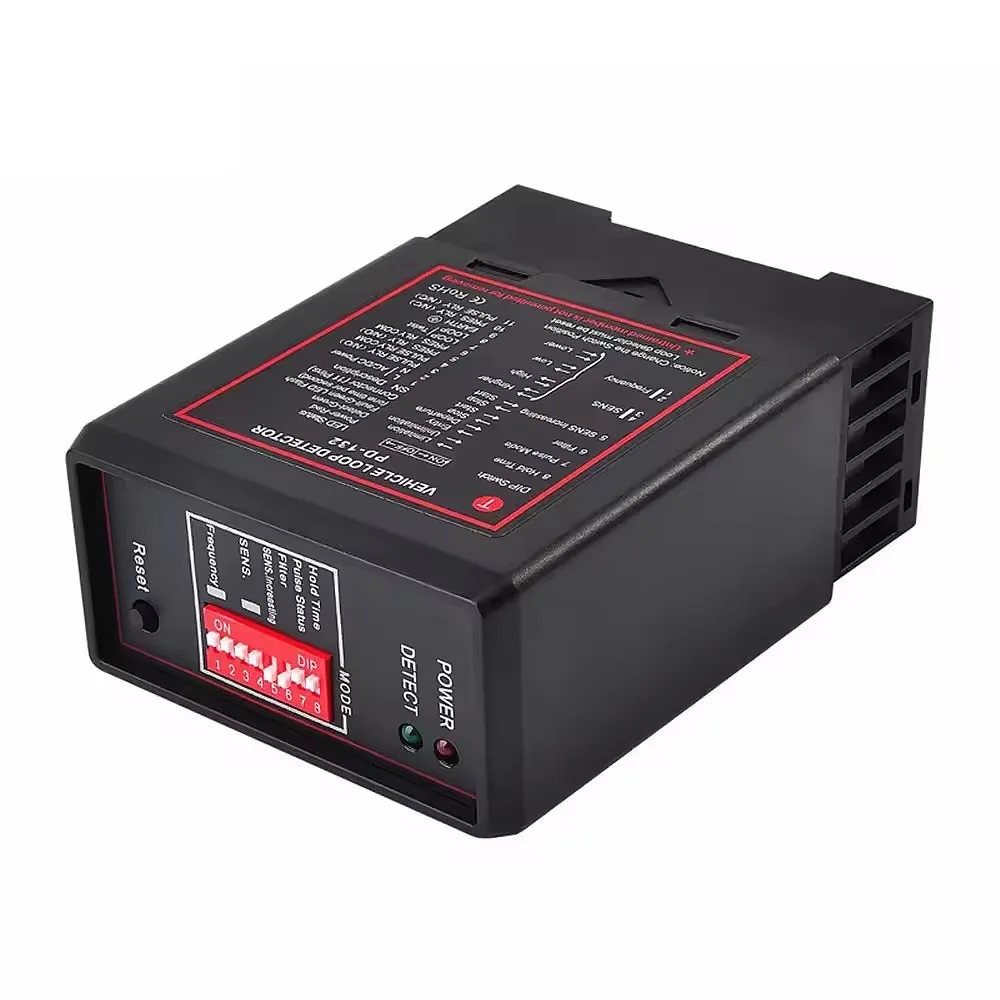
A loop may be a practical option where road works are already planned and the lane geometry is stable. Facility managers should also consider future resurfacing, water ingress, cable damage and the time required to repair a detector embedded in the ground. A loop is not automatically the best choice for every entrance.
3. Photocells and infrared beam sensors
A photocell normally uses a transmitter and receiver to monitor a beam across a defined line. If an object interrupts the beam, the control system receives a signal. Photocells can be useful for detecting presence at a specific point, but a single beam only monitors its own line; it may not detect a vehicle that has reversed, turned or stopped outside that line.
Photocells should therefore be specified according to the risk being controlled and should not be treated as a substitute for a full risk assessment. The installer must confirm the correct alignment, mounting position and behaviour when the beam is interrupted.
4. Safety edges and other protective devices
Some automated gate designs use pressure-sensitive safety edges or other protective devices to detect contact or an obstruction. Whether these are appropriate for a particular boom barrier depends on the equipment design and the manufacturer's instructions. Facility managers should not assume that a protective edge, photocell, loop or radar can replace another device without a documented engineering assessment.
How safety sensors work with a boom barrier
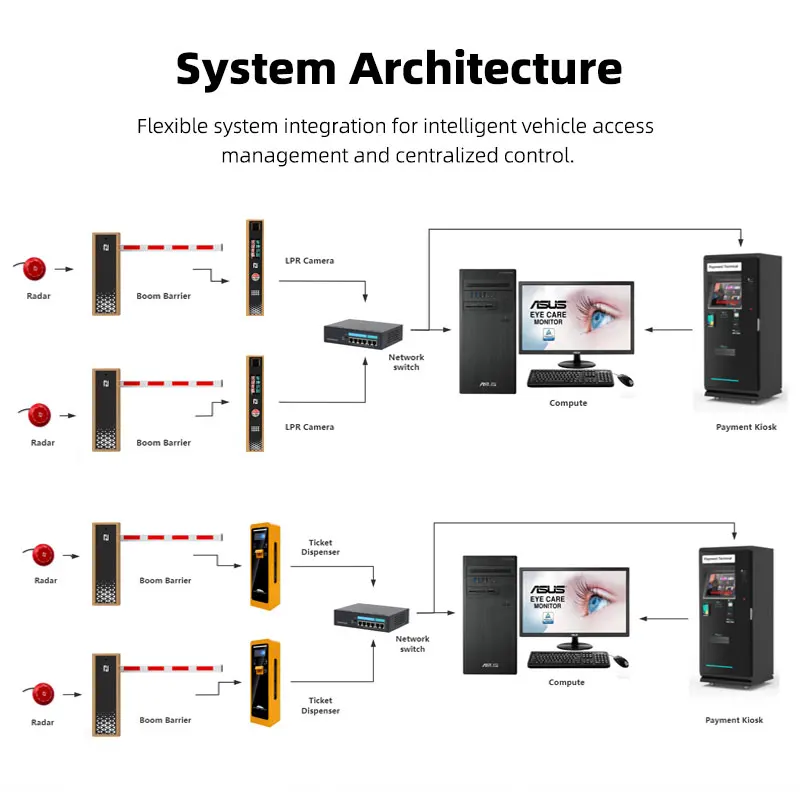
In a typical installation, a vehicle approaches the lane and the access system determines whether entry is permitted. The barrier controller operates the arm, while configured detection and safety inputs help manage vehicle presence and the closing sequence. The exact logic varies by controller, sensor and installation; the installer should document how the system behaves during normal passage, tailgating, reversing, obstruction and power or communication faults.
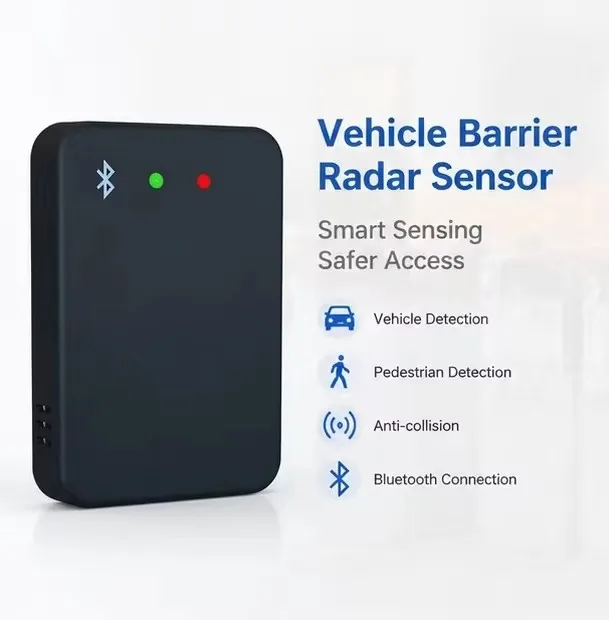
A sensor does not independently guarantee that a barrier is safe. It must be compatible with the controller and wired or configured according to the approved design. The commissioning process should confirm the detection zone, signal response, opening and closing behaviour, and the response to faults before the lane is returned to service.
Why sensor selection matters for European sites
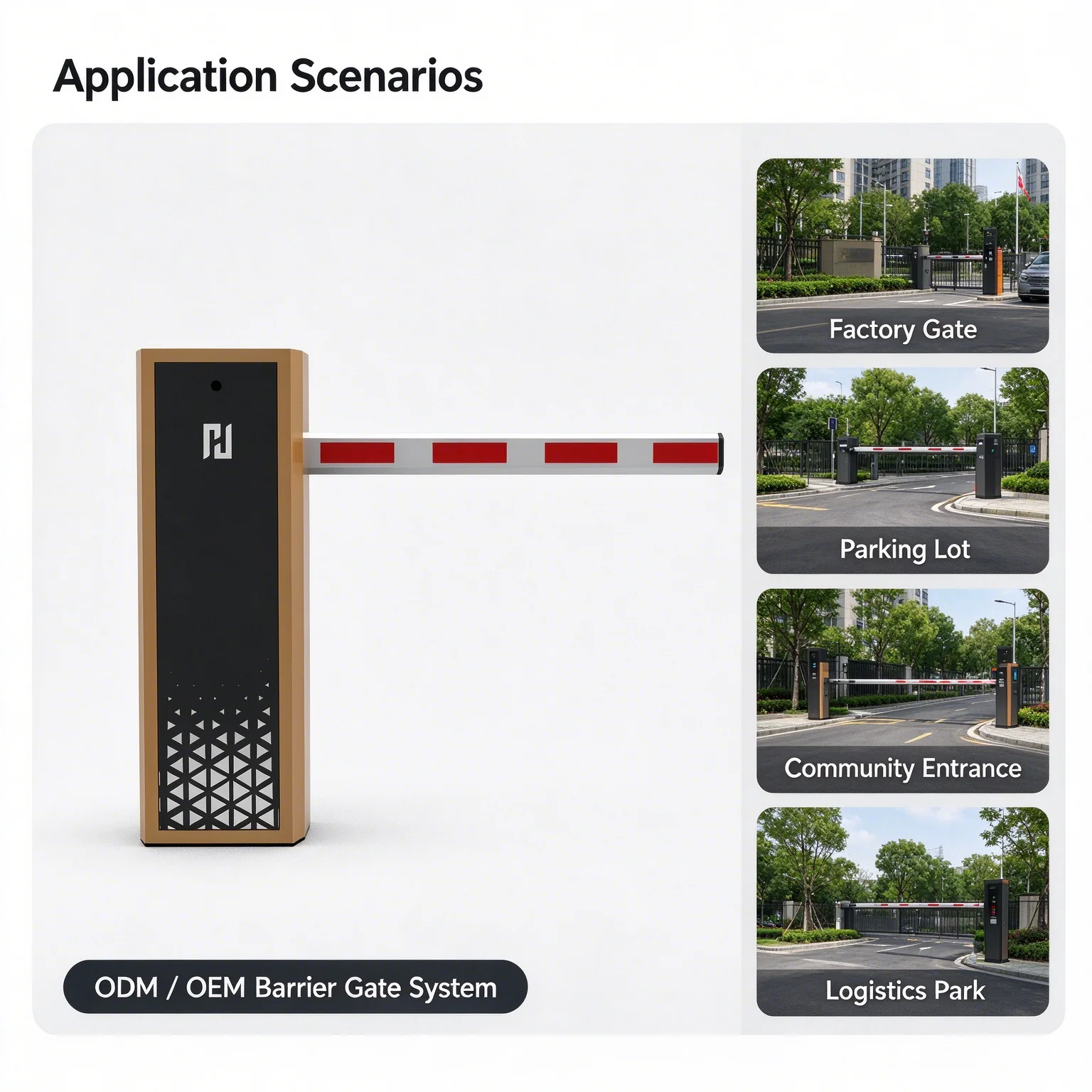
Facilities in northern and central Europe may experience heavy rain, standing water, low winter temperatures, changing daylight, road resurfacing and high vehicle throughput. The environment around a barrier can also include HGVs, motorcycles, bicycles, pedestrians and vehicles that reverse or turn near the arm. Managers should specify detection based on the real movements and hazards at the entrance, not just on the sensor's headline range.
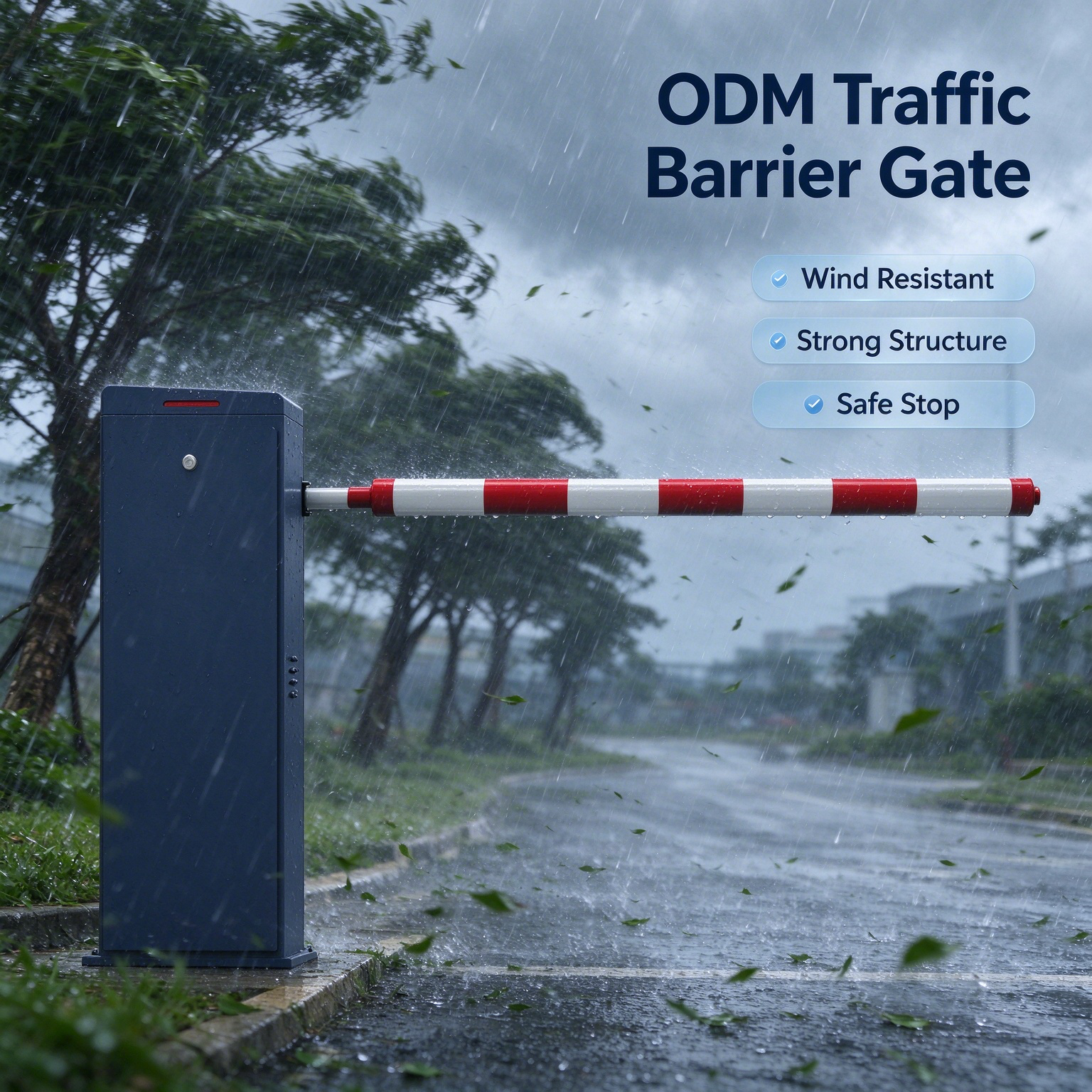
For exposed locations, confirm the sensor's specified ingress protection, operating temperature range, mounting requirements and maintenance needs. Do not infer a protection rating from appearance. The supplier should confirm the rating for the exact model and explain any limitations caused by mounting position, nearby structures or site conditions.
A practical checklist for facility managers
Before purchase
- Map the lane layout, including entry and exit direction, pedestrian routes, stopping points and reversing areas.
- List the vehicle types that use the entrance, including motorcycles and delivery vehicles.
- Define the hazard the sensor must address: vehicle presence, closing-arm obstruction, reversing movement or another specific risk.
- Ask the supplier to confirm compatibility with the barrier controller and any existing access-control system.
- Confirm the detection area, operating environment, wiring or communication method, maintenance requirements and warranty.
- Request installation drawings, wiring diagrams, commissioning records and the relevant operating instructions.
During installation and commissioning
- Check the mounting position and angle against the manufacturer's instructions.
- Verify that the detection field covers the intended vehicle area without creating unacceptable false triggers.
- Test with representative cars, vans, motorcycles and other vehicles relevant to the site.
- Test stopping, reversing, close-following and partial obstruction scenarios where applicable.
- Verify the barrier's response when the sensor signal is interrupted, lost or inconsistent.
- Record the final settings, test results, installer details and handover instructions.
During routine operation
- Keep the detection area clear of stored items, vegetation and avoidable obstructions.
- Check sensor housings, brackets, cabling and visible damage during scheduled inspections.
- Review faults, repeated false triggers and reports of the barrier closing unexpectedly.
- Arrange competent maintenance after an impact, wiring change, barrier replacement or sensor repositioning.
- Keep an incident log and do not bypass protective inputs to maintain throughput.
Common problems and what to check
| Symptom | Possible checks |
|---|---|
| Barrier closes while a vehicle is still in the lane | Stop use if unsafe. Have a competent technician check sensor coverage, alignment, configuration, controller logic and wiring. |
| Barrier remains open | Check whether the detection field is blocked, the sensor is continuously triggered, or a control input is stuck. |
| False detection or repeated opening | Review mounting angle, sensitivity, nearby moving objects, metal structures and the configured detection zone. |
| Detection works intermittently | Check power supply, connections, moisture ingress, cable damage and fault indicators. |
| Problems begin after road works | Reassess the detection zone and check whether a loop, cable or sensor mounting position was disturbed. |
Never bypass a sensor or safety input as a permanent workaround. If the barrier behaves unpredictably, follow the site's isolation procedure, prevent vehicle use of the affected lane and contact a qualified service provider. Restore operation only after the cause has been identified and the safety functions have been retested.
Safety responsibilities and standards
The required protective measures depend on the barrier design, installation and intended use. Facility managers should ask the installer to identify the applicable local requirements and relevant standards for the specific equipment, document the risk assessment, and provide commissioning and handover records. Do not rely on a generic claim that a sensor is "anti-smash" or "safe" without confirming the complete installed system.
Sensor settings should not be changed casually after commissioning. Any adjustment that changes the detection field or barrier response should be assessed, recorded and retested by competent personnel. Staff should know how to report a fault, protect the lane and escalate an unsafe condition.
How to choose a suitable radar sensor
Start with the site hazard and the required detection area, then compare the available technology and the sensor's compatibility with the barrier controller. Confirm the exact model, output type, supply voltage, mounting arrangement, environmental rating and controller compatibility before ordering.
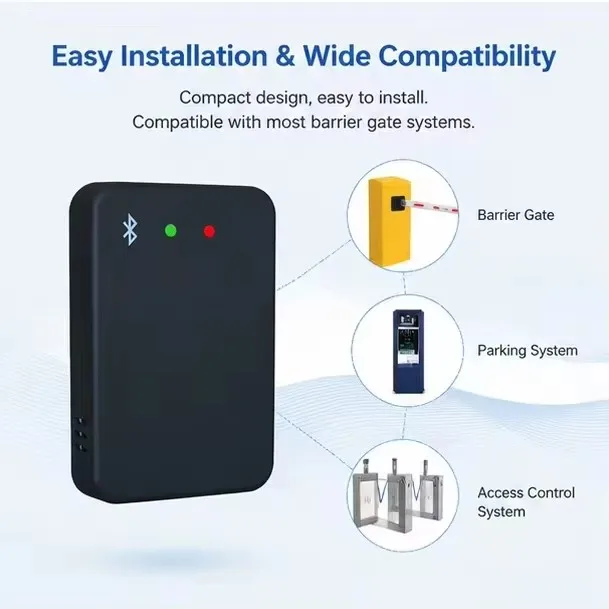
Do not select a sensor on range or price alone. Ask for the wiring diagram, configuration instructions, commissioning procedure, maintenance guidance and confirmation of how the complete system responds to an obstruction. If the entrance has unusual geometry, mixed traffic or frequent reversing, request a site-specific recommendation. You can review the barrier hardware that these sensors work with in our automatic boom barrier range.
Frequently asked questions
Are radar sensors better than induction loops for parking barriers?
Neither is best for every site. Radar may avoid road cutting and can be configured to cover a defined detection field, while an induction loop detects vehicles over a loop installed in the road. Choose based on site geometry, required detection behaviour, civil works, maintenance access and compatibility with the controller.
Can one sensor protect the whole boom barrier lane?
Not necessarily. Coverage depends on the technology, model, mounting position, configuration and site layout. The installer should demonstrate the actual detection area and test the vehicle movements that create risk at the entrance.
Do parking barrier sensors need regular maintenance?
Yes. Follow the manufacturer's instructions and the site maintenance plan. Inspect housings, mounts, cables, detection areas and fault records, and retest the system after any impact, adjustment or repair.
What should a facility manager do if a barrier closes unexpectedly?
Treat it as a safety fault. Prevent use of the affected lane, follow the site isolation procedure and contact a competent technician. Do not bypass the sensor or return the barrier to service until the cause has been investigated and safe operation has been verified.
Conclusion
Parking barrier safety sensors are an important part of a well-designed vehicle access system, but safe operation depends on correct technology selection, installation, controller integration, commissioning and ongoing maintenance. Facility managers should document the risks at each entrance, verify the detection area in real conditions and ensure that faults are investigated rather than bypassed.